
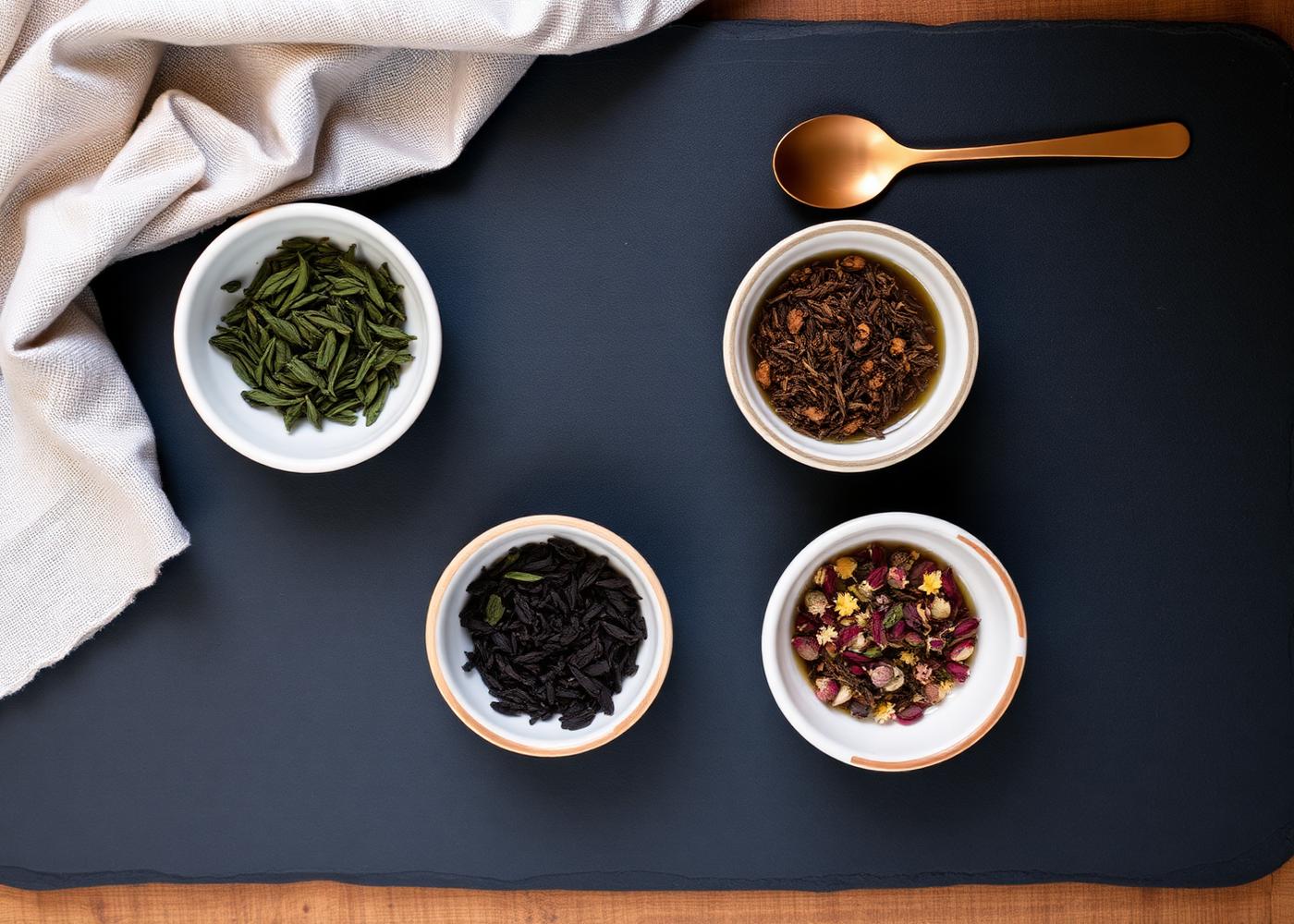
Tea does not spoil in a way that will hurt you. It fades. A good sencha loses its sweetness in about four months on a sunny counter and becomes something you drink out of obligation. The frustrating part is that this is entirely preventable, and prevention costs about eight dollars.
The five enemies, ranked
1. Oxygen. By some distance the worst. Oxidation flattens aroma compounds and it never stops. Every time you open the tin you reset the clock. Buy in quantities you will finish in three months rather than a large bag that will be stale by the end.
2. Odour. Tea is startlingly absorbent. We once stored an oolong next to a jar of cumin for two weeks and produced the worst cup of the year. Never store tea near coffee, spices or anything in the fridge.
3. Light. UV degrades chlorophyll and the volatile compounds that carry aroma. Those beautiful clear glass jars on open shelving are the single most common storage error in the homes of people who care about tea.
4. Heat. Accelerates all of the above. A cupboard above the stove is roughly the worst location in a kitchen.
5. Moisture. Below about 65 % humidity it is a minor concern, but damp tea clumps and can grow mould. Puerh is the exception — it wants some humidity to keep ageing.
The setup we actually use
- Double-lid steel tins, 100 g size, one per tea. The inner lid is the part that matters.
- A closed cupboard on an interior wall, away from the range and the window.
- Masking tape on the lid with the tea name and the date the tin was opened. Unglamorous, but it is the reason we can tell you a tin faded at week eleven.
- Vacuum-sealed original packaging for anything bought in bulk, opened only to refill the working tin.
Total cost for six tins and a roll of tape: under thirty dollars, and it has saved considerably more than that in tea we would otherwise have thrown away.
Why not the fridge
Two reasons, and both are about condensation and smell. Every time you take a cold tin out into a warm kitchen, moisture condenses on the leaf. Do that a few times and you have damp tea. Second, a refrigerator is a sealed box full of odours, and tea will take on every one of them.
There is a narrow exception: unopened, vacuum-sealed Japanese green tea bought in quantity can be frozen, and commercial producers do this routinely. The rule is that you thaw the sealed package fully to room temperature before opening it, and you do not refreeze. For anything already opened, room temperature in a closed cupboard wins.
How long each type really lasts
| Type | Peak window | Drinkable until | Notes |
|---|---|---|---|
| Japanese green | 3–4 months | ~8 months | The most fragile category by far |
| Chinese green | 6 months | ~12 months | Pan-firing gives it more stability |
| White | 1–2 years | Several years | Some aged white is deliberately excellent |
| Light oolong | 6–9 months | ~18 months | Treat closer to green tea |
| Roasted oolong | 2 years | 3 years+ | The roast is a preservative |
| Black | 2 years | 3 years | Fades slowly and gracefully |
| Puerh | Improves | Decades | Wants airflow and stable humidity |
| Herbal | 1 year | ~2 years | Aroma goes long before anything else |
How to tell tea has gone
Open the tin and smell the dry leaf before you boil anything. Fresh tea has a clear, specific smell — grassy, malty, floral, whatever its character is. Faded tea smells generically like paper or dust. If the dry leaf smells of nothing in particular, the cup will taste of nothing in particular.
Colour is the second signal. Green tea drifting from bright green to olive-brown has oxidised. And if it clumps, it has taken on moisture and should be used quickly or discarded.
Faded tea is not wasted, incidentally. It makes perfectly reasonable iced tea, where dilution and sugar mask the flatness, and stale black tea cold-brewed overnight is better than any bottled version on a supermarket shelf.