
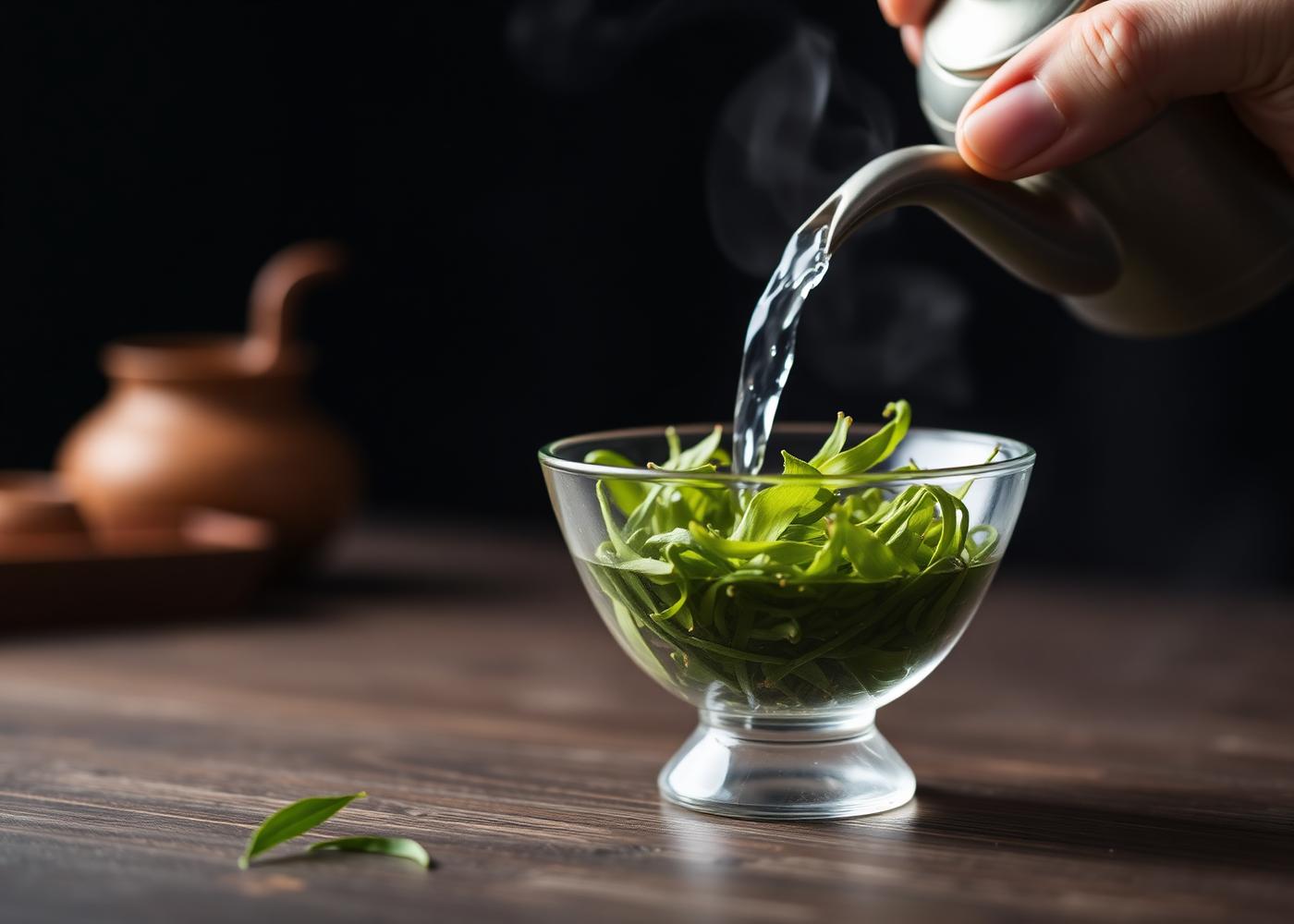
Water Temperature: The One Variable Most People Get Wrong
Why 212 °F ruins a sencha, and the two-minute trick that fixes it without a fancy kettle.
Read the guide →Pagosa Springs, Colorado · Since 2019
Timberline Steep is a one-woman review desk. I buy loose-leaf tea at full retail, brew every batch at least six times across different water temperatures and steep lengths, and publish the tasting notes — including the ones that talk me out of a purchase.
Why this site exists
I got tired of reading pages that rephrase a vendor's own marketing copy. So in 2019 I started logging what actually happened in my kitchen: the grams, the water, the temperature, the second and third infusion, the day the tin started to fade.
Everything on this site follows the same protocol. A tea is bought anonymously at retail. It is brewed at 175 °F, 195 °F and boiling, in filtered water measured at roughly 40 ppm hardness, at 2 g per 6 oz. It is re-cupped a week later without the label visible. Only then does it get a score.
The testing protocol
Ordered as a regular customer, shipped to the house on Timberbrook Lane, no press account, no discount code.
Filtered well water at 38–44 ppm, tested with a TDS meter before each session. Water is half the cup.
Three temperatures, two steep lengths, minimum six cups. Western style and gongfu where the leaf calls for it.
A week later, unlabeled, alongside two known references so palate drift gets caught.
Aroma, body, finish, consistency and value, each out of 20. Notes go up unedited, the good and the flat.
Harvests change. Every scored tea is re-tested the following season and the page is dated so you know what you're reading.
If we get something wrong, the correction stays visible at the top of the page. See our editorial policy.
Recently scored
Short version below. Full logs, infusion-by-infusion, live on the reviews page.
93 / 100
Sweet grass and cut melon at 165 °F. Turns astringent fast above 175 °F — a thermometer tea, not a kettle-and-hope tea.
88 / 100
Malt, cocoa, a raisin edge. The only breakfast tea in the group that survived milk without going flat.
91 / 100
Six honest gongfu infusions. Toasted grain into stone fruit, then a long mineral finish that keeps going.
84 / 100
Whole heads, not dust. Apple-honey, no hay note. Best value on this list by a wide margin.
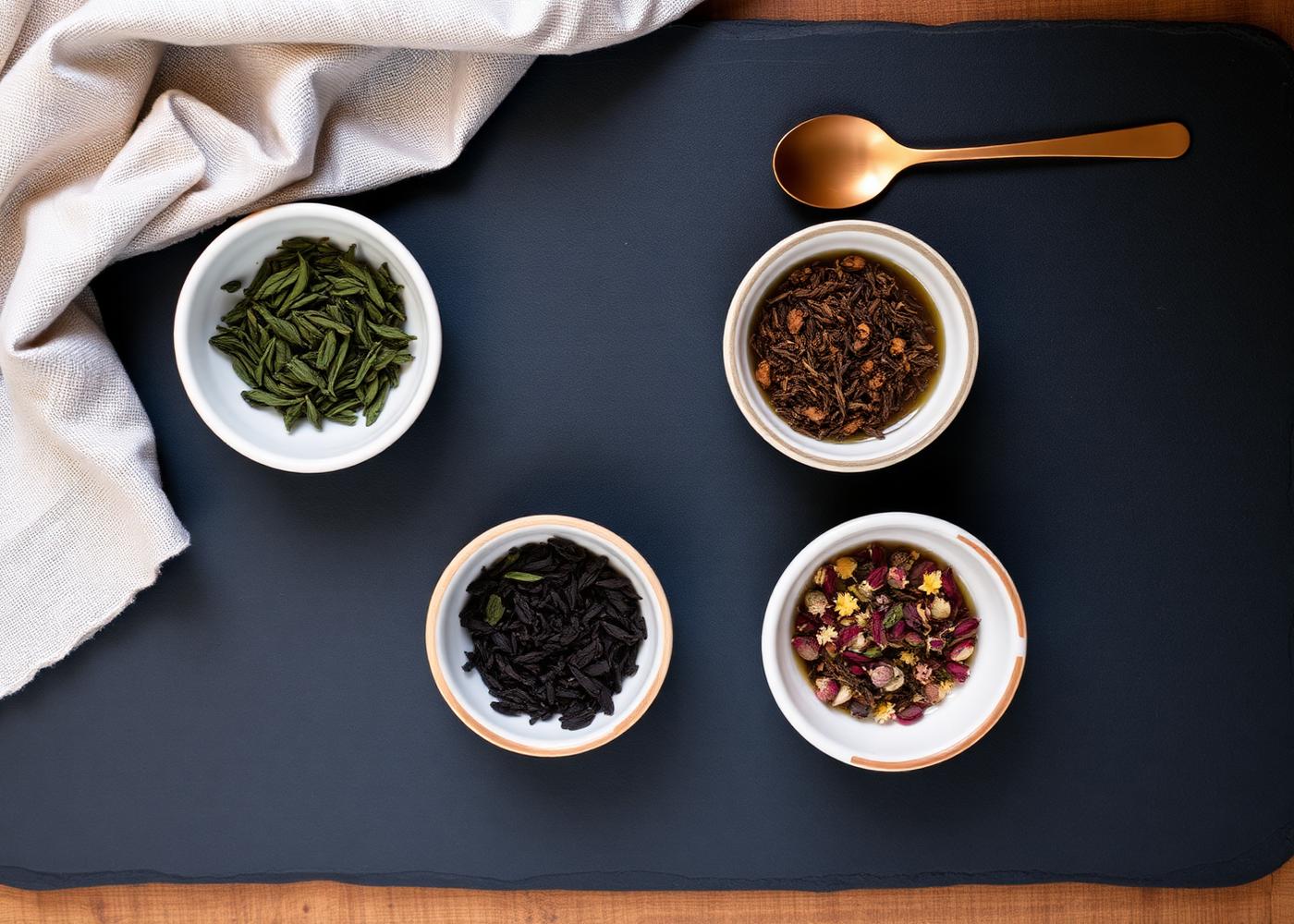
Pick a starting point
Go for orthodox Assam or a Yunnan black. You want a leaf with enough malt to stand up to a rushed kitchen. Brew 3 g in 8 oz of boiling water for 3:30. If you take milk, add it after the steep, never before — milk protein binds the tannins and flattens the aroma you just paid for.
Skip: delicate first-flush greens. At 7 a.m. nobody is measuring 165 °F, and you will waste them.
Oolong is the afternoon leaf. A medium-roast Dong Ding or a Tieguanyin gives you five or six infusions from one 5 g portion, which means a whole working afternoon out of a single pot. Start at 195 °F, 30 seconds, and add ten seconds per round.
This is also the category where price and quality track most closely — the jump from a $9 tin to an $18 tin is genuinely audible in the cup.
Whole-flower chamomile or a roasted hojicha. Hojicha is roasted late in processing, which knocks the caffeine down to roughly a tenth of a cup of coffee while keeping a real, toasty body. Chamomile should smell like apple skin; if it smells like hay, it is old.
Steep chamomile covered. Half the aromatics leave with the steam otherwise — the saucer-on-the-mug trick is not folklore.
From the guides
Why 212 °F ruins a sencha, and the two-minute trick that fixes it without a fancy kettle.
Read the guide →Oxygen, light, heat and odour — ranked by how much damage each one actually does.
Read the guide →
What FTGFOP really means, why “first flush” is a date and not a compliment, and the five words that signal filler.
Read the guide →A note from the desk
“I live at 7,100 feet. Water boils here at about 199 °F, which quietly changes every brewing chart written at sea level. That inconvenience is the reason this site exists — I had to work it out for myself, so I may as well write it down.”
Mary Knight — owner, Timberline Steep
Questions we get by email
Get in touch
Reader suggestions decide roughly a third of what gets cupped each season. Send it over — we read everything.